
Lovely readers,


 xx
xx
There are moments in life when we step into a new family, workplace, or friendship circle and immediately sense an invisible tension. A subtle shift in the atmosphere, a quiet tightening of the group, a feeling that the circle has closed – not aggressively, not intentionally, but unmistakably. It can seem as though the group is protecting itself, holding onto its familiar bonds, and assessing whether the newcomer is “one of us.” This experience is deeply human, and far more ancient than it appears.
Long before modern families, offices, and social circles existed, our ancestors survived in tribes. Belonging was not a luxury; it was essential for protection, food, warmth, and shared responsibility. To be part of the group meant safety. To be outside the group meant vulnerability. Even today, our nervous system carries this evolutionary imprint. When we enter a new social environment, the group may, often unconsciously, activate protective instincts: caution toward outsiders, loyalty to the familiar, subtle testing of trust, a “wait and see” stance. It is rarely personal. It is often simply the group’s way of maintaining stability.
But for the individual trying to enter the circle, the experience can be painful. Ostracism, even in its soft, modern forms, is one of the most difficult emotional experiences a human can face. It touches the deepest layers of our evolutionary psychology – the fear of isolation, invisibility, and being unprotected. When a group does not open to us, it can feel like rejection of our identity, our energy, or our worth. Yet this is rarely the truth. Often, it is simply the group’s internal dynamics – their history, their bonds, their unspoken rules – that make entry difficult.
And here is the part we often forget: we can survive a group that does not choose us. More importantly, there are many tribes in this world, and not all of them are meant for us. Not all of them can see us. Not all of them match our wavelength. Belonging is not about forcing ourselves into a circle that cannot recognise us; it is about finding the circle where our presence feels natural.
This is where Brené Brown’s reminder becomes so important:
“You are imperfect, you are wired for struggle, but you are worthy of love and belonging.”
It is a truth that sits quietly beneath all our attempts to fit in – that our worth is not determined by who welcomes us or who overlooks us. Belonging begins within.
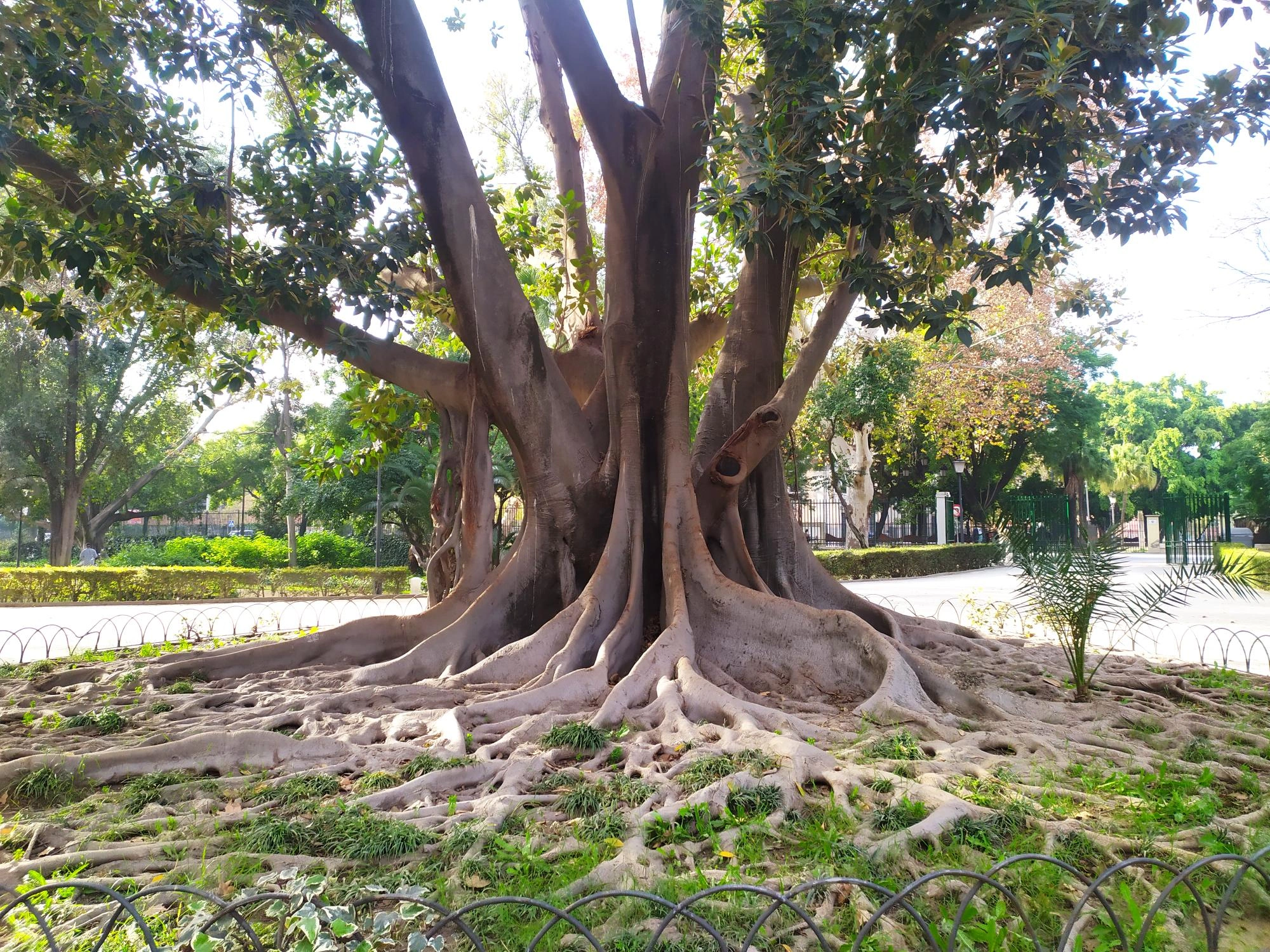
When clients feel excluded or unseen, I often use the metaphor of a tree. External resources – people we love, jobs, homes, communities – are like branches. They are meaningful and life-giving, but they can change. They can be lost. They can be taken away. Your inner resources are the roots. They hold you steady even when the storm comes. They keep you upright when external circumstances shift. They remind you that your worth is not determined by who accepts you or who turns away.
Your roots are your resilience, your values, your emotional regulation, your self-trust, your ability to nourish yourself, and your capacity to keep going. These inner resources stay with you, even when the external world feels unstable.
So if you feel lonely right now – if you feel outside, unseen, or unchosen – remember this: your roots are yours. They do not disappear. And somewhere out there, there are people who will meet you with warmth, energy, and recognition. Belonging is not a single destination. It is a journey of discovering where your energy is welcomed, where your presence is valued, and where your identity feels safe. Sometimes the tribe you hoped for is not the tribe that can hold you. And sometimes the tribe that can hold you is still waiting to be found.
Sending you lots of love and the biggest hug,
Maxi xx